Where Frequency Meets Healing

Red Light Therapy: What the Science Says (Featuring insights from Stanford Medicine)
Discover how red light therapy transforms skin and hair health through evidence-based research from Stanford Medicine. This easy-to-read guide explains how specific wavelengths of light can boost collagen, improve circulation, and even support hair growth without the hype or complexity. Learn what science actually says, what to expect from at-home devices, and how to integrate this powerful therapy into your wellness routine safely.
Jayne Bryson, ND
10/20/20253 min read
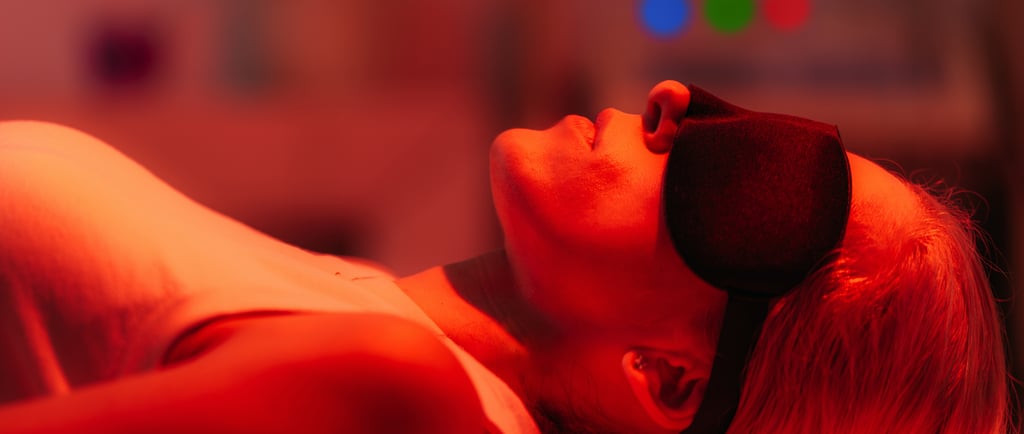
Red Light Therapy: What the Science Says. (Featuring insights from Stanford Medicine)
What is red light therapy?
Have you heard about glowing “red light” treatments in spas, gyms, and even at home, and wondered what all the buzz is about? These treatments are based on photo-biomodulation, which uses specific wavelengths of light to influence the biology of our cells.
In the article from Stanford Medicine, researchers unpack how red light (and near-infrared light) is being used, what the evidence shows, and where things are still unclear.
As a naturopath and mindset coach, I’m excited to explore how this fits into a whole-self health approach, so let’s dive in.
How red light actually works
The science in a nutshell
Light at specific wavelengths penetrates the skin and triggers biological responses.
For example, red light can widen blood vessels (vasodilation), which allows more blood and nutrients to reach hair follicles and skin cells.
It may stimulate collagen production (the protein that keeps skin firm) and help skin cells regenerate.
But, and this is important, it doesn’t mean it’s a miracle cure for everything. The evidence is solid in some areas, weaker or inconsistent in others.
A bit of history
Originally, dermatologists used red light and other treatments to address early skin cancers and precancerous lesions.
Since then, technology has expanded into beauty and wellness, with devices to support skin rejuvenation, hair growth, and more.
What does the research say the benefits are?
More substantial evidence: Hair growth & thinning hair
One of the clearest uses: red light has been shown in several studies to help with thinning hair, by stimulating follicles and improving blood flow.
It’s not a guarantee, but if you’re noticing your hair getting thinner, red light therapy shows promise in this area.
Skin rejuvenation & wrinkle-reduction
There’s good evidence that red light can help increase collagen, leading to slightly thicker, plumper skin and smoother fine lines.
That said, don’t expect overnight dramatic transformations. The research says the benefits are real, but modest.
Emerging / less-clear evidence
Wound healing and scar reduction: Some studies show potential, but mixed results.
Athletic performance, sleep, chronic pain, erectile dysfunction, dementia: These are still speculative. The data is insufficient.
Important caveats
If hair follicles are completely dead (for example, in a bald area where follicles can’t regenerate), red light won’t revive them.
Safety risks are low when used correctly (avoid direct eye exposure), but dramatic claims (e.g., “cures chronic disease”) should be treated with healthy scepticism.
What does this mean for you (and me)?
As a health advocate and coach, I believe in combining evidence-based tools with holistic support. Here’s how red light therapy can fit in:
If you’re dealing with thinning hair, red light therapy could be a supportive tool, alongside optimising nutrition, hormone balance, stress management, and scalp health.
If you want improved skin texture (firmer, more resilient skin), red light may help as part of a broader skincare and lifestyle plan (hydration, sleep, mindset, skincare routine).
Be realistic: It’s not a magic button. It complements other work.
Choose wisely: If using a home device, check the wavelength (many studies use specific ranges), device power, and consistency of use.
Consult your healthcare professional (esp. if you have skin conditions, a history of cancer, or are taking photosensitising medications), consistent with guidance from Stanford’s experts.
A practical mini-protocol:
Consistency is key: Use your device regularly (e.g., 3-5 times a week) for several months before expecting results.
Placement matters: Follow manufacturer instructions. For scalp use, ensure light reaches follicles; for skin, provide even coverage.
Complement with lifestyle: Good sleep, nutrition (including protein, antioxidants), gentle movement, and hydration enhance results.
Track your progress: Take photos or notes monthly to see subtle changes over time (fibres, texture, tone).
Mind your mindset: Your belief and consistency matter. Approach the therapy as a tool, not a miracle; keep your overall wellness plan holistic.
Final Thoughts
The conversation from Stanford Medicine is encouraging: yes, there is fundamental biology behind red light therapy.
Yet, it’s not a cure-all. It works best when combined with good health foundations and realistic expectations.
If you’re ready to support your skin or hair journey (rather than expect overnight miracles), red light therapy is a promising part of the toolbox.
Ready to take the next step?
If you’re curious, check out the curated selection of high-quality red light therapy devices at The Healing Field Shop. These tools are chosen with integrity, so you can move forward with confidence, heart and clarity.
👉 Visit The Healing Field Shop to explore our range and bring the power of red light into your wellness routine.
Here’s to glowing skin, healthy hair, and a radiant you ✨
RESEARCH:
https://med.stanford.edu/news/insights/2025/02/red-light-therapy-skin-hair-medical-clinics.html
Contact
Subscribe for our holistic wellness updates
info@thehealingfield.shop
+61 408 756 206
© 2025. All rights reserved. The Healing Field Shop Pty Ltd. Copyright.
Based in Brisbane, Australia
The Healing Field offers products and information for general well-being only, not medical advice. Our tools and supplements are designed to complement, not replace, professional healthcare, prescriptions, or emergency treatment. Unless specified, products are not TGA ~ approved medical devices and make no claims to diagnose, treat, or cure disease. Individual results vary, and no outcomes are guaranteed.
Policies